

The field of marketing has rapidly developed, but its fundamental concepts remain the guidelines of any successful company. The use of modern tools can be based on the assumption that companies are only using them in order to reach out to customers through structured thinking. That structured thinking comes from strong marketing fundamentals. The principles assist a brand to comprehend its audience, to narrow down its message, and to create value in a predictable manner.
Meanwhile, the current business environment is competitive and dynamic. Hence, they cannot rely on the random strategy, or short-term trends. Instead, they should develop systems that can aid in long-term growth. Marketing fundamentals provide that stability. They assist marketers in making sound decisions and preventing useless risks.
In this article, you will learn to see how these fundamentals apply in the real world. You will also discuss the way the 7 Ps of marketing influence the contemporary approaches. In addition, the concepts of Target audience analysis, Consumer behavior, Marketing campaigns, Customer journey and Brand positioning will also be discussed to provide the full picture.
What Are Marketing Fundamentals and Why Do They Matter in 2026?
Marketing fundamentals are the major principles that dictate the manner in which services and products are marketed by businesses. These ideals stand regardless of the technological transformations and platforms. They assist firms in developing a systematic procedure rather than using assumptions.
In the modern world, these essentials are more important than ever. Consumers are increasingly given options and their expectations are ever-growing. As such, companies have to figure out the way individuals think and act prior to developing a strategy. This is the area in which fundamentals are very important.
In addition, marketing fundamentals enhance clarity within groups. They match products, communication and delivery processes. This will ensure that companies can be consistent in various channels. Even sophisticated tools will not give any meaningful results without such a foundation.
Understanding the 7 Ps of Marketing in Modern Strategies
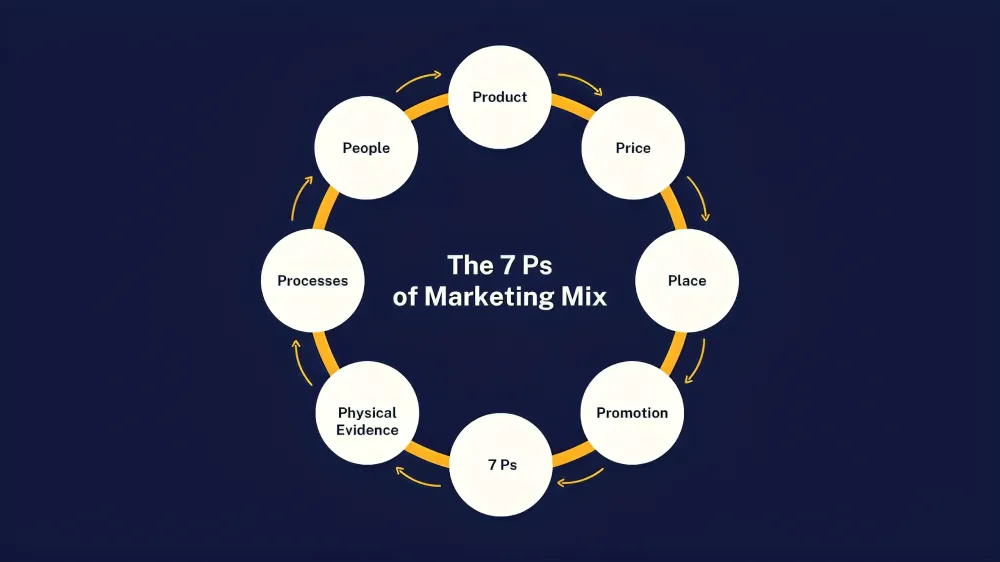
The 7 Ps of marketing provide a comprehensive framework for planning and execution. This model can assist companies in the management of all elements in their strategies. It makes sure that every piece is integrated to provide value.
The idea initially had four elements. However, three other factors were added as the markets evolved. This widened framework is a manifestation of the complexity of present-day marketing.
Below is a structured overview of the 7 Ps of marketing:
| Element | Description |
| Product | The offering provided to customers |
| Price | The cost customers pay |
| Promotion | Communication methods used |
| Place | Distribution channels |
| People | Individuals representing the brand |
| Process | Systems that deliver the product |
| Physical Evidence | Tangible proof of quality |
This structure makes certain that business enterprises address all key areas. Therefore, it has continued to play an important role in contemporary marketing strategies.
Product: Defining What You Offer to the Market
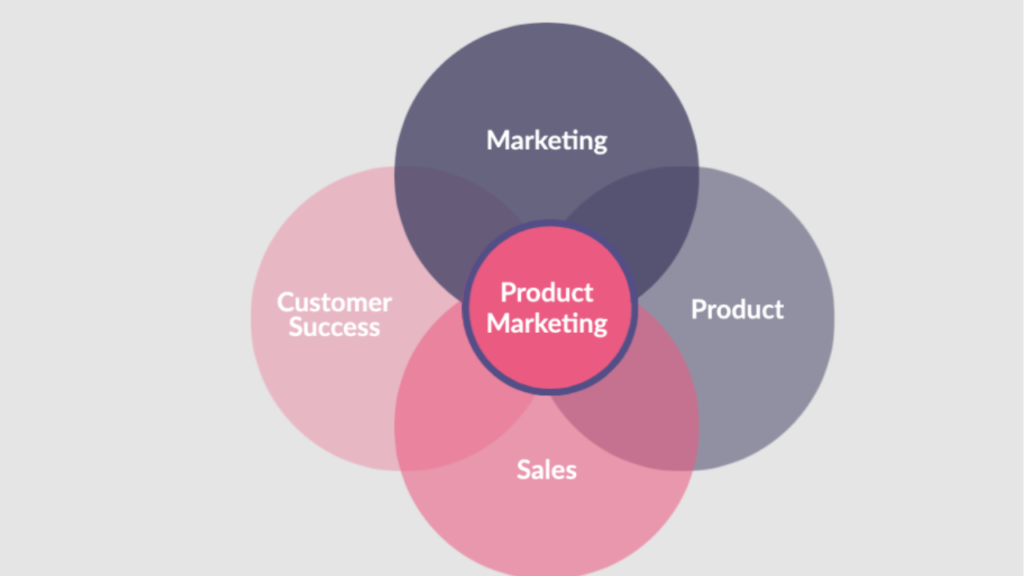
Every business strategy has a starting point, which is a product. It signifies what you sell in terms of the value you bring to the customers. However, it is not limited to physical goods. Services, experiences, features and general presentation are also included in it. Further, a solid product is one that addresses an actual problem. The customers purchase solutions not goods. This means that companies need to be keen on knowing the needs and expectations. A product that meets demand is easier to market and sell.
Moreover, Target audience analysis is key to product development. Firms have to research the kind of customers they have, their preferences and their behaviors. This understanding assists in developing products that really resonate with the users. This means that the probability of success is high.
Price: Setting the Right Value for Customers
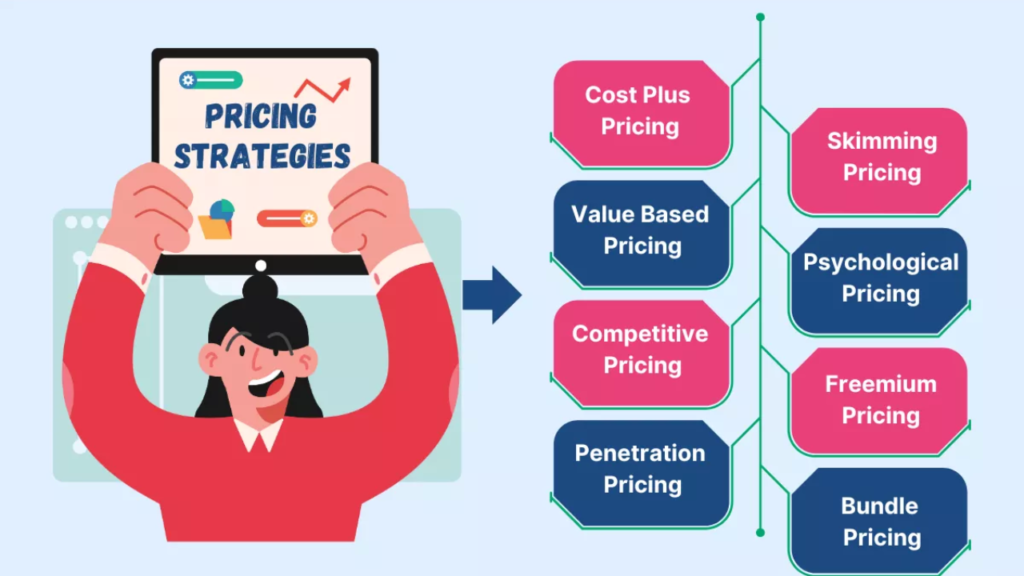
Price reflects the perceived value of a product. It has a direct impact on the decisions made by customers and the profitability of the business. That is why, to determine the appropriate price, it is crucial to think and research. A business cannot arbitrarily set a price. Rather, it should take into consideration the influences such as costs, competition and customer expectations. When the price is perceived as fair, the customers will more likely trust the brand. Conversely, it is possible that bad pricing has a decreasing effect on sales, regardless of the strength of the product.
Moreover, Consumer behavior is relevant when it comes to determining prices. There are those customers who seek lower prices, whilst others seek quality. Thus, companies need to synchronize their price strategy with customer attitude. Such a strategy generates more equity and enhances performance over the long term.
Promotion: Communicating Value to the Audience
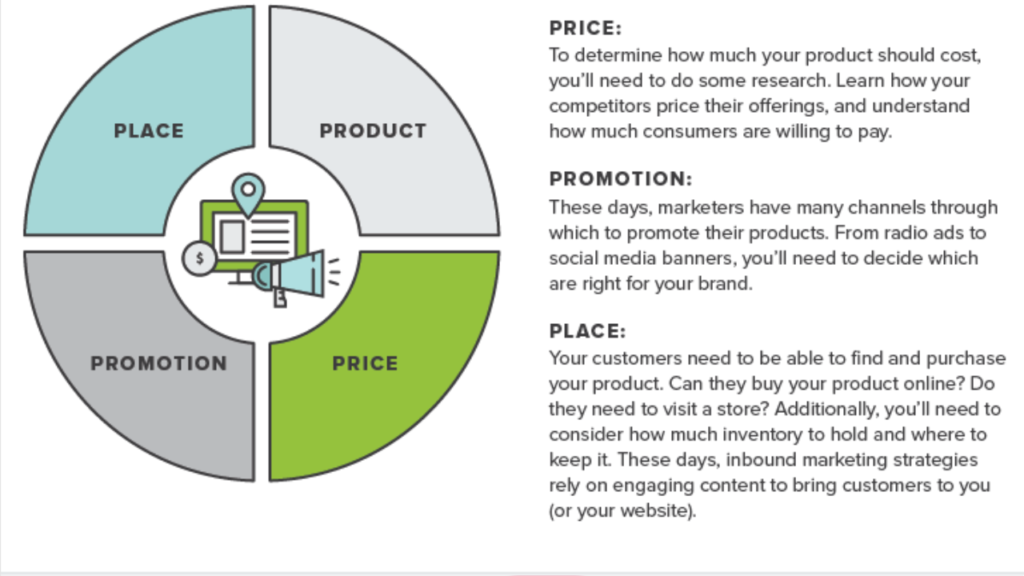
Promotion is concerned with the way businesses address their audience. It consists of all the activities that are employed in order to educate, convince and remind the customers about the product. Even the most outstanding offerings will not be realized without achieving publicity. As a business, there are numerous options to promote. These are social media, email, creation of content and advertising. Nevertheless, it is not essential to apply all channels. It is better to choose the appropriate platform, which is preferred by the audience.
Meanwhile, clear messaging is a key to successful Marketing campaigns. The benefits need to be communicated in straightforward and exciting manner. Customers listen when clearly communicated to them. As a result, promotion is more efficient and effective.
Place: Ensuring Easy Access to Products
Place refers to how and where customers can find and purchase a product. It concentrates on distribution and availability. In case the customers fail to easily reach a product, they might switch to the competition. In the digital world, place is a physical and digital sphere. Internet shops can cover the world, whilst actual shops encourage face-to-face communication. Thus, companies have to select channels depending on their audience and the type of product.
Moreover, place is a significant factor in influencing Customer journey. All the steps must be easy and cozy, starting with discovery up to purchase. The fewer the barriers the customers have to go through, the more chance the buyer has of making the purchase. This enhances satisfaction and more conversions.
People: Building Relationships Through Human Interaction
People represent the human side of a business. They include employees, support teams, and anyone who interacts with customers. Their behavior directly affects how customers perceive the brand.
A skilled and friendly team creates positive experiences. Customers remember how they were treated more than what they purchased. Therefore, businesses must invest in training and communication skills.
Moreover, people contribute to strong Brand positioning. The way employees speak, respond, and solve problems reflects the brand identity. When interactions remain consistent, customers develop trust. As a result, relationships become stronger and more meaningful over time.
Process: Delivering Products Efficiently and Smoothly
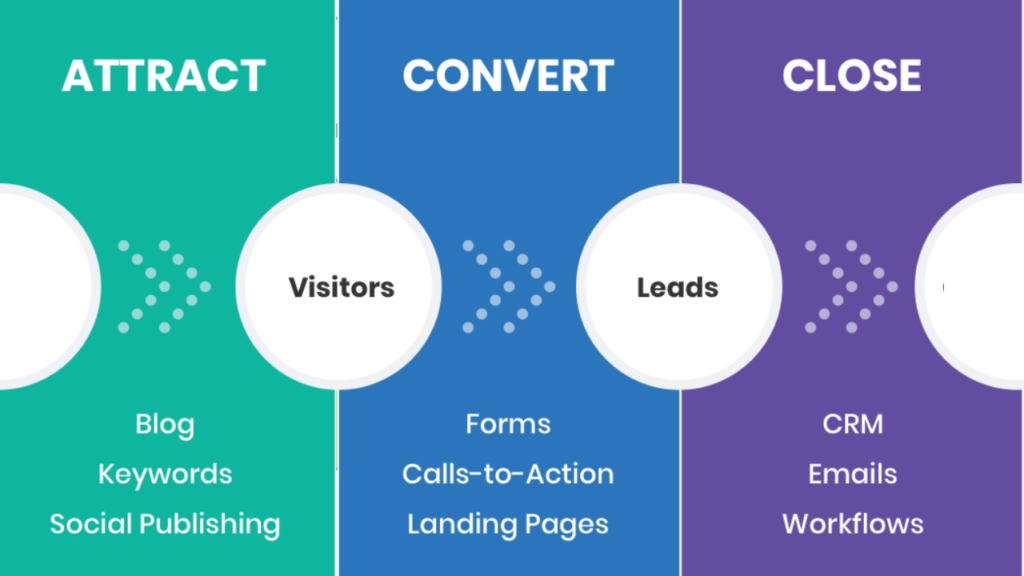
Process entails the actions that are taken in the provision of a good or service. It entails ordering, payment, and delivery, and after sales. An effective process would make sure that everything flows well. Customers are demanding convenience and speed. Consequently, companies will be obliged to streamline all the steps. Complex systems may disappoint users, and decrease satisfaction. Conversely, effective and visible processes enhance the general experience.
Also, automation will be able to improve processes. It saves time by hand and enhances precision. Nevertheless, the corporations cannot find a way to reduce technology and focus on human touch. This integration provides a smooth, and trustworthy system.
Physical Evidence: Creating Trust Through Tangible Proof
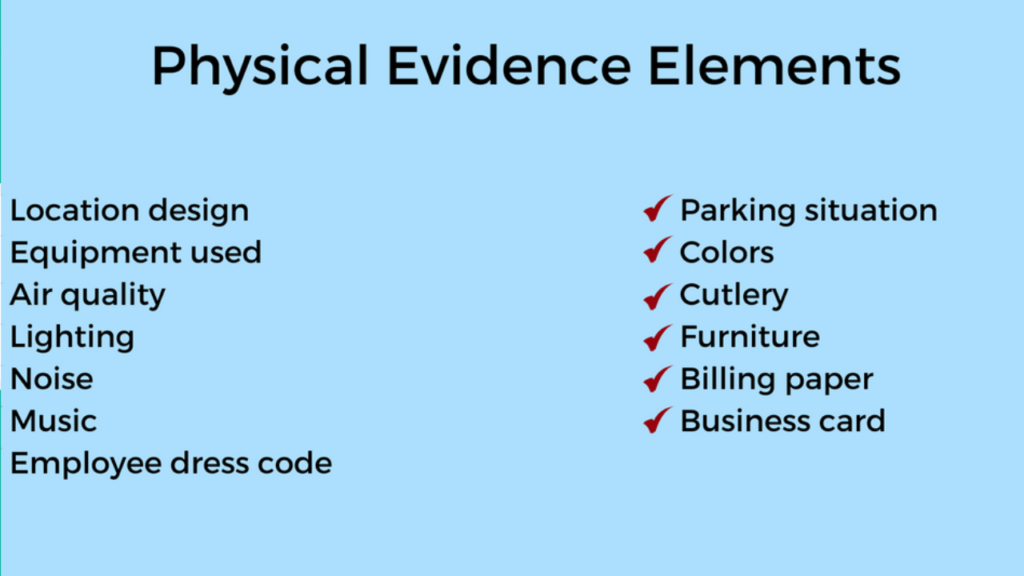
Physical evidence provides proof of a brand’s quality and credibility. Customers seek dreamworks that will build confidence even in virtual space. Such behaviors allow them to make decisions on whether to rely on a business. Examples of physical evidence include website design, packaging, branding, and customer reviews. A professional look makes a good first impression. Conversely, an ineffective presentation can decrease trust at a glance.
Also, it is important to be consistent. When the branding is consistent on the same platform, then the customers identify and recall the business with little difficulty. This homogeneity enhances the credibility and long-term development.
How Trends Are Changing Marketing Fundamentals?
Marketing fundamentals are being transformed by trends and are influencing the manner in which businesses implement core marketing concepts. One such factor is technology, which has transformed brand-to-people relationships. Therefore, the use of mobile has gained momentum and firms find it necessary to come up with content that fits on a small screen first. Simultaneously, individualization has been a necessity, with customers requiring messages that are related to their needs. The companies should therefore keep up and change their strategy frequently.
Additionally, strategy is influenced by the change in preferences and market conditions. Time-saving, speed, and genuineness have never been so cherished. Due to this, brands are focusing on developing trust and significant relationships. New tools also include data analytics that help businesses to learn more about behavior. Consequently, firms are turning to good fundamentals combined with modern skills in order to keep pace with contemporary times.
Conclusion: Marketing Fundamentals as the Core of Sustainable Growth
Marketing fundamentals provide a clear direction for businesses. They assist companies in comprehending the customers, strategy formulation and value delivery to the customers. These principles, coupled with the 7 Ps of marketing, will form a great growth base. Thus, those businesses that target these basics are more successful. They enhance the level of trust, strengthen customer relationships and sustain success in competitive marketplaces in the long run.